

PandaVPN vs PrivateVPN: Which Is the Better Choice for Your Privacy?
 Sharon
  2026.04.06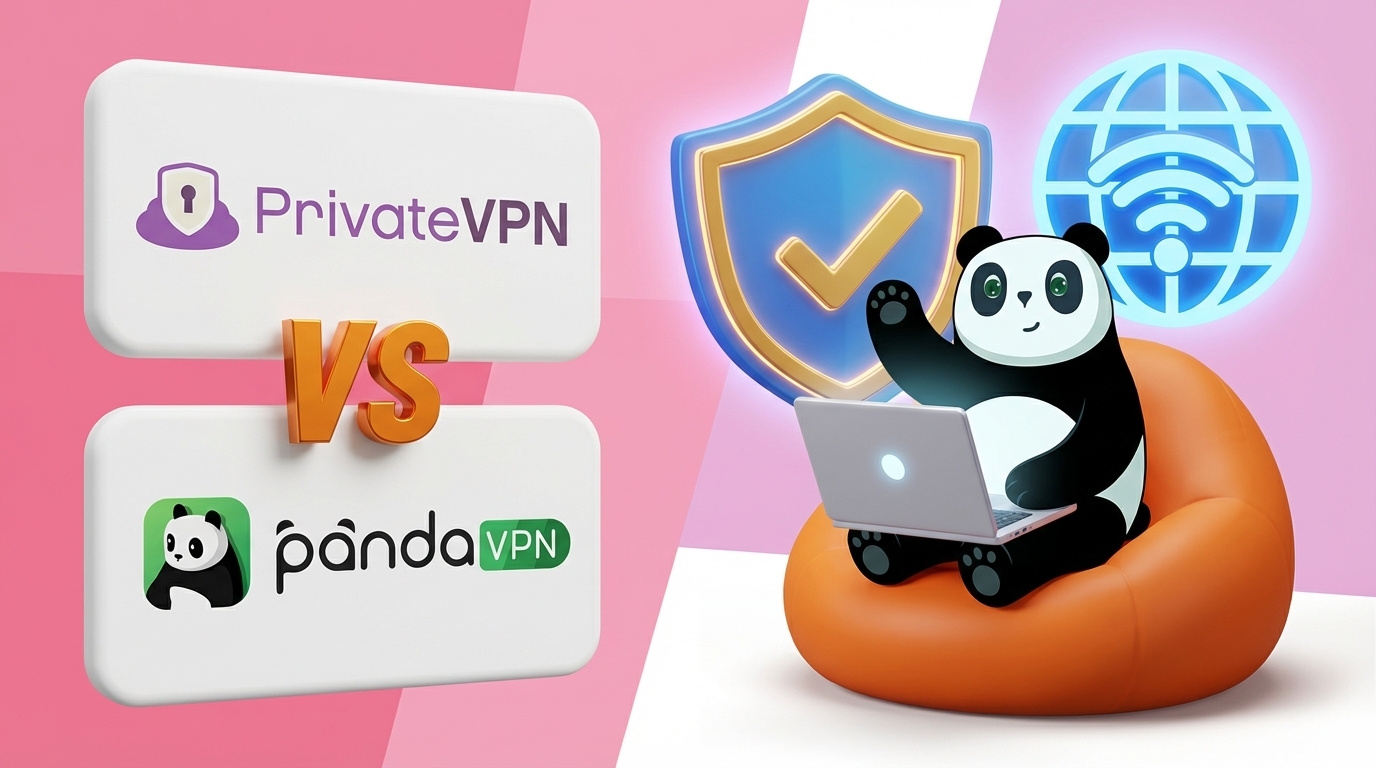
When choosing a VPN in 2026, the real difference isn’t just speed or server count—it’s how your identity and data are handled behind the scenes.
PrivateVPN is a well-established provider known for stability and strong streaming access. PandaVPN, on the other hand, takes a different direction by focusing on removing user identity from the system entirely. That difference becomes clear the moment you look beyond surface-level features.

Privacy & Identity: The Core Difference
Most VPNs, including PrivateVPN, follow a traditional model: you sign up with an email, your account is created, and your activity is protected under a no-logs policy. It’s secure—but your identity still exists within the system.
PandaVPN removes that layer altogether. There’s no email registration, no personal details—only a random digital account ID that represents you inside the network. More importantly, all payments are handled by independent third-party platforms, which means PandaVPN never has access to your billing or financial information.
👉 no identity stored, no payment data exposed
From a structural perspective, this significantly reduces the risk of any data linkage or exposure.
Performance & Network Design
PrivateVPN operates a smaller, high-quality network focused on stability. For everyday browsing and streaming, this works well and delivers consistent results.
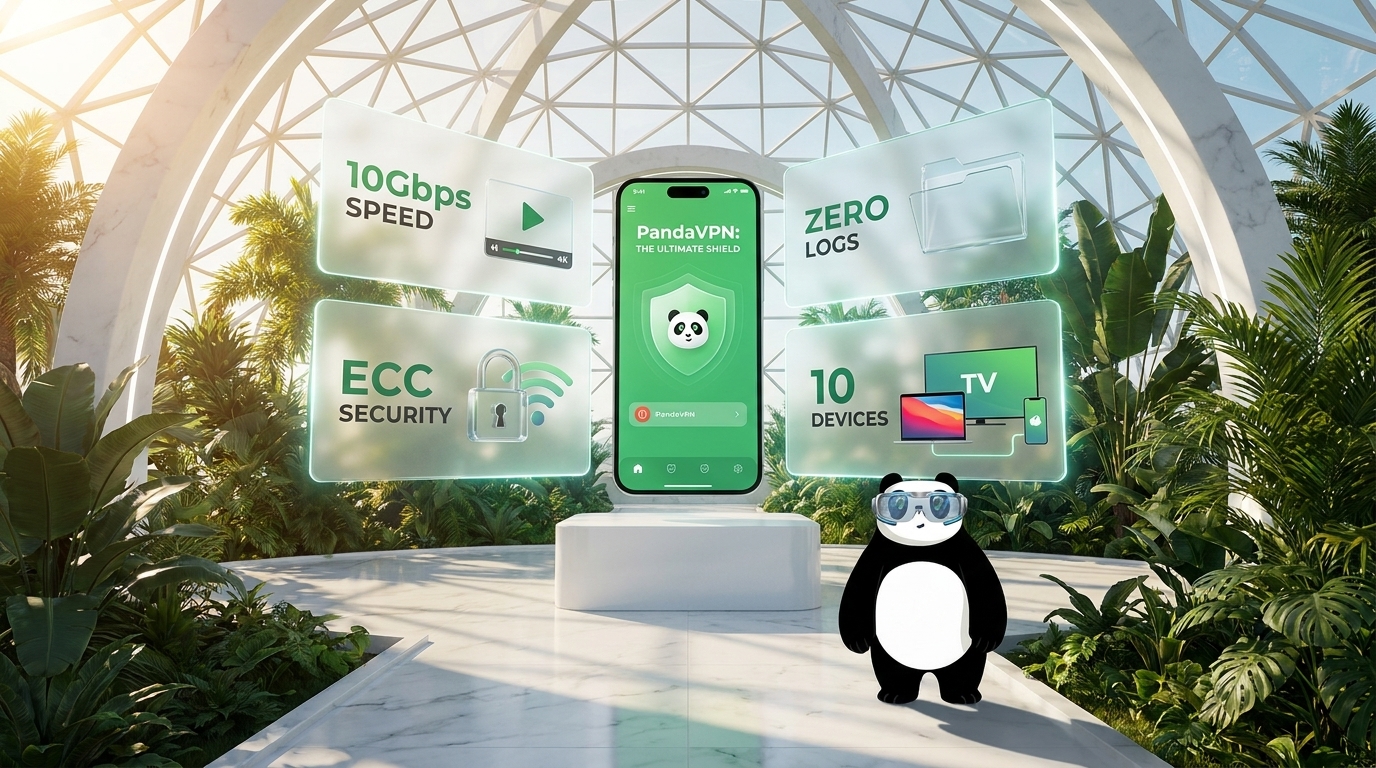
PandaVPN takes a broader approach with a larger server infrastructure and optimized routing. Instead of just providing access, it focuses on performance under real usage, especially for gaming and high-bandwidth streaming, where stability and latency matter more than raw speed.
Streaming & Accessibility
Both VPNs are capable of unlocking major streaming platforms, but their behavior differs in practice.
PrivateVPN is known for reliably accessing specific libraries like Netflix, while PandaVPN offers a more flexible setup with multiple routing options and better adaptability in restricted or complex network environments.
👉 one focuses on consistency in known scenarios
👉 the other adapts better across different conditions
Final Take
PrivateVPN remains a strong, reliable option with a proven track record. But it follows a traditional structure where user identity and payment data are still part of the system.
PandaVPN represents a more modern approach:
-
no email required
-
no stored payment information
-
optimized network performance
-
simplified user experience
👉 not just secure—but designed to minimize exposure from the start
If you’re comfortable with standard VPN setups, PrivateVPN works well. But if your priority is reducing your digital footprint while maintaining performance, PandaVPN is the better choice in 2026.
Private by design. Fast by default.

Related Posts


Featured Posts