

Best Myanmar VPN to Use Facebook, Twitter, IG and Unblock Sites Safely
 Tony Bennett
 2022.06.29

The digital landscape in Myanmar has undergone profound shifts. Since the political and administrative changes in early 2021, internet censorship, surveillance, and digital freedom restrictions have tightened significantly. For local residents and expatriates, accessing essential communication channels like Facebook, Instagram, and Twitter often requires navigating strict regulatory hurdles.
This guide explores the realities of internet governance in Myanmar, the legal context surrounding Virtual Private Networks (VPNs), and how tools like PandaVPN can help safeguard digital privacy responsibly. Disclaimer: This article is for informational purposes only. Users are strongly advised to understand and comply with all applicable local laws and regulations.

Internet Censorship in Myanmar
Myanmar has historically faced challenges regarding press and internet freedoms. Following the events of 2021, restrictions escalated sharply. Major social media platforms—including Facebook, Instagram, Twitter, and messaging applications like WhatsApp—have experienced widespread blocking or intermittent throttling.
-
Regulatory Restrictions on Content: Under local cybersecurity and telecommunications frameworks, online expression is heavily monitored. Regulations penalize the spread of unverified information or content deemed critical of authorities, with severe penalties for non-compliance.
-
Specific Prohibitions: Online dating platforms and sexually explicit content are strictly prohibited under national laws, carrying stringent legal penalties, including multi-year prison terms for violations.
-
Corporate Moderation: Major global tech platforms and video networks have adjusted their moderation policies in the region, leading to widespread content removals and account restrictions.
Faced with these challenges, individuals globally look to privacy-enhancing technologies to secure their personal data against tracking, monitoring, and cyber threats.
Understanding the Legal Status of VPNs in Myanmar
The regulatory status of VPN technology varies significantly by jurisdiction. In regions with strict monitoring, proposals to regulate or restrict encryption tools are frequently introduced to curb unauthorized data routing.
-
Regulatory Pressures: Proposals concerning cybersecurity legislation have sought to restrict or criminalize unauthorized VPN usage, making privacy maintenance a high-stakes challenge for local users.
-
Security Risks of Unverified Tools: In high-restriction environments, free or unverified proxies and low-quality VPNs pose severe security risks. Many free services monetize user data by logging browsing history or embedding ad-tracking malware.
-
The Importance of Robust Protocols: Protecting personal data requires enterprise-grade encryption and strict privacy standards rather than simple, unverified workarounds.
Key Criteria for Selecting a Secure Privacy Tool
When evaluating digital privacy solutions for high-regulation environments, users should prioritize security, stability, and transparency. Essential criteria include:
-
Advanced Encryption Standards: Protection against data packet snooping and local inspection.
-
Strict Zero-Logs Policy: Ensuring that browsing sessions, connection timestamps, and traffic data are never recorded or stored.
-
Global Server Infrastructure: Access to a stable, high-speed network across multiple international server locations.
-
User-Friendly Design: Cross-platform compatibility and seamless setup for both desktop and mobile devices.
PandaVPN: Performance, Security, and Privacy Features
Designed to prioritize user data protection and secure international connectivity, PandaVPN offers a comprehensive suite of features for global users seeking online security:
-
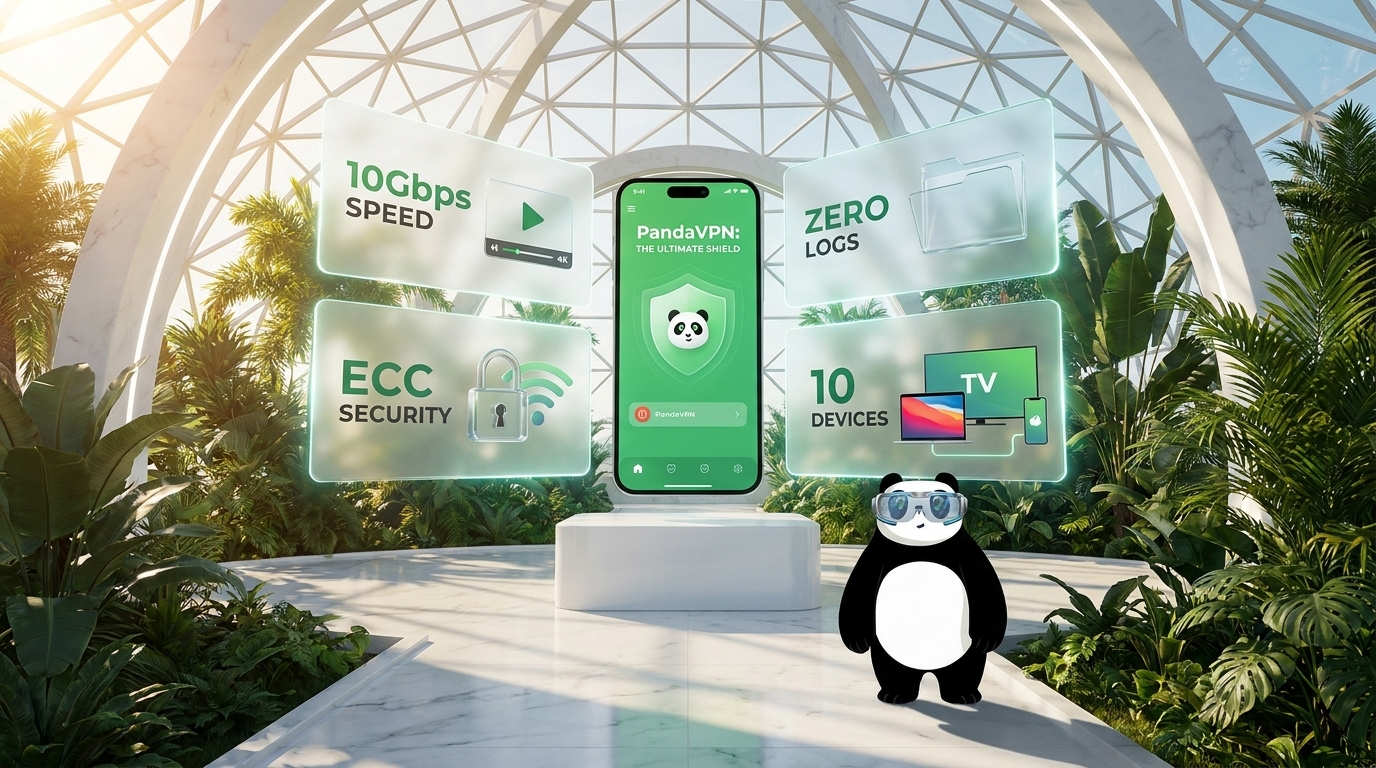
Global Server Reach: Operates 3,000+ high-speed servers across nearly 180 server locations worldwide, ensuring stable connections for international browsing and digital productivity.
-
ECC Encryption Architecture: Protects network traffic using high-level Elliptic Curve Cryptography (ECC) to shield personal data from third-party interception.
-
Strict No-Log Commitment: Operates under a strict zero-logs policy, ensuring that online activities, downloads, and historical records remain entirely private.
-
Multi-Device Compatibility: Supports Windows, macOS, Android, iOS, and Linux platforms with easy installation and automated server selection.

Step-by-Step Guide: Setting Up a Secure VPN Connection
To establish a secure connection using PandaVPN, follow these standard setup steps:
-
Navigate to the official PandaVPN Website to create a secure digital account.
-
Select a subscription plan that aligns with your digital security needs and complete the registration process.
-
Download and install the appropriate application client for your device (Windows, macOS, Android, or iOS).
-
Launch the application and select a high-speed international server from the global directory.
-
Activate the connection to route your data through an encrypted tunnel.
How to Access and Use PandaVPN Securely
If you are looking to secure your personal connection and access global network resources safely, follow these standard setup steps:
Step 1. Head to the official PandaVPN Website to create a secure digital account. In addition to Windows PCs, PandaVPN is fully compatible with macOS, Android, iOS, Linux-based devices, and Android TVs.
Step 2. Select a subscription plan that best aligns with your digital privacy needs and complete the registration. PandaVPN offers flexible options, including cost-effective long-term plans designed for continuous, secure browsing.
Step 3. Download and install the official client application corresponding to your device (such as Windows, macOS, Android, or iOS).
Step 4. Launch the application and choose an international server from the global directory containing 3,000+ server options to establish an encrypted connection.
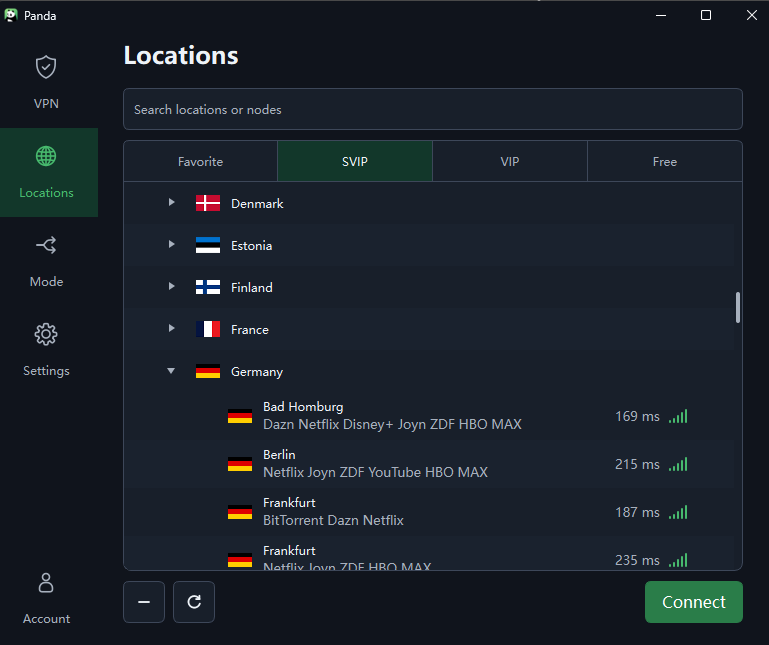
Step 5. Once connected, your web traffic is routed through a secure tunnel, helping you safely access global resources and protect your privacy against online tracking.
Frequently Asked Questions (FAQs)
-
Q: Are free VPN services safe to use?
-
Generally, free VPNs present substantial security and privacy trade-offs. Many free providers log and monetize user browsing data, display intrusive advertisements, or lack proper encryption protocols, exposing users to malware and data leaks.
-
-
Q: Are VPN applications legal everywhere?
-
VPN legality varies worldwide. While perfectly legal and widely used for enterprise security and privacy in most democratic nations, certain countries implement strict regulatory controls or outright bans. Users must always verify and respect local laws before utilizing such tools.
-
-
Q: Can alternative DNS configurations bypass network blocks?
-
While custom DNS configurations (such as public DNS resolvers) can sometimes alter routing, they do not encrypt your traffic or hide your IP address. For comprehensive privacy and security, encrypted VPN tunnels are significantly more effective.
-

Final Words
Navigating the modern digital world requires a proactive approach to personal privacy, data safety, and cybersecurity. While privacy tools provide essential data protection and anonymity against common digital threats, they are not a substitute for lawful conduct. Always prioritize safety, exercise caution online, and remain fully aware of local regulatory frameworks.

A tech enthusiast who currently works for PandaVPN enjoys sharing VPN and tech industry information and is passionate about helping others solve their problems.
Related Posts


Featured Posts